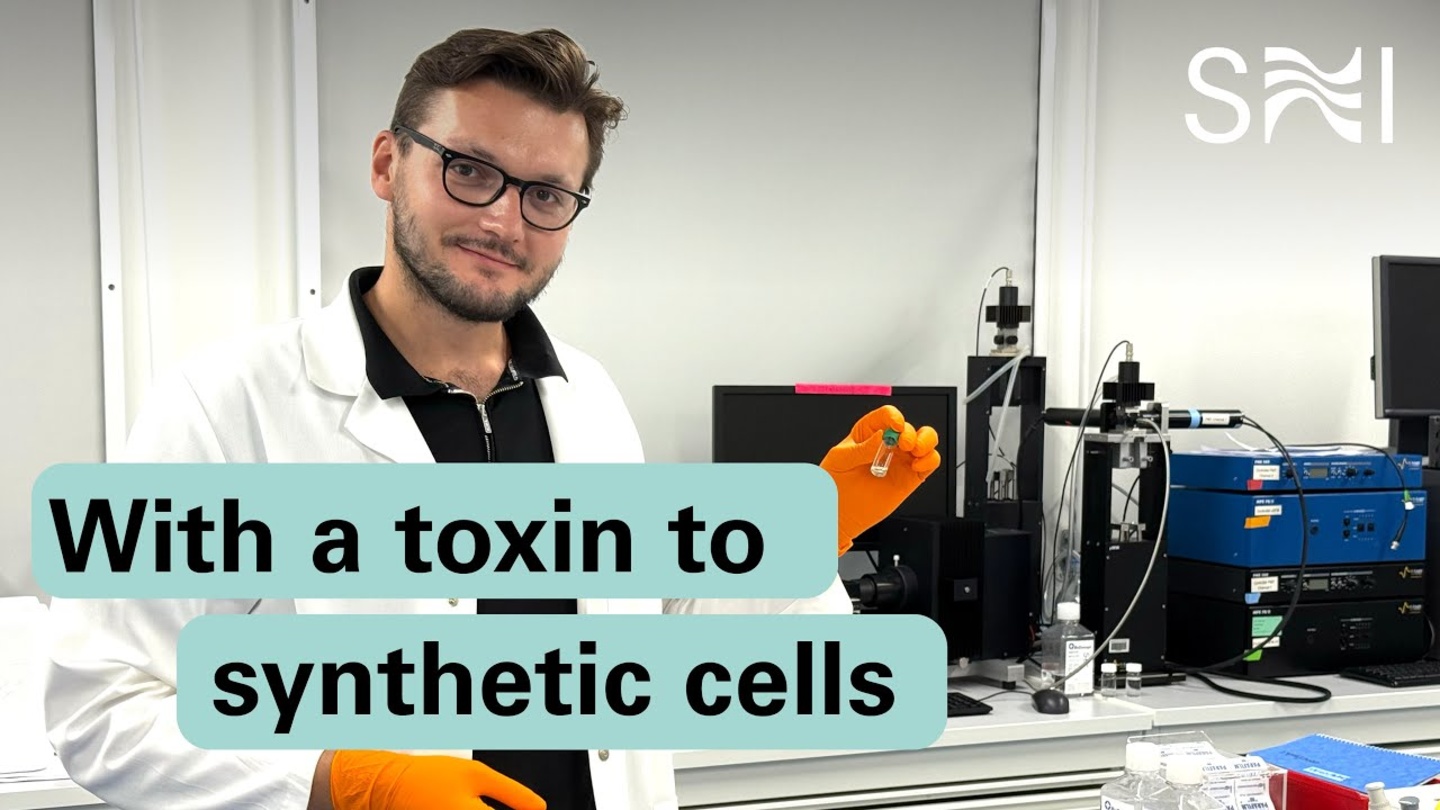
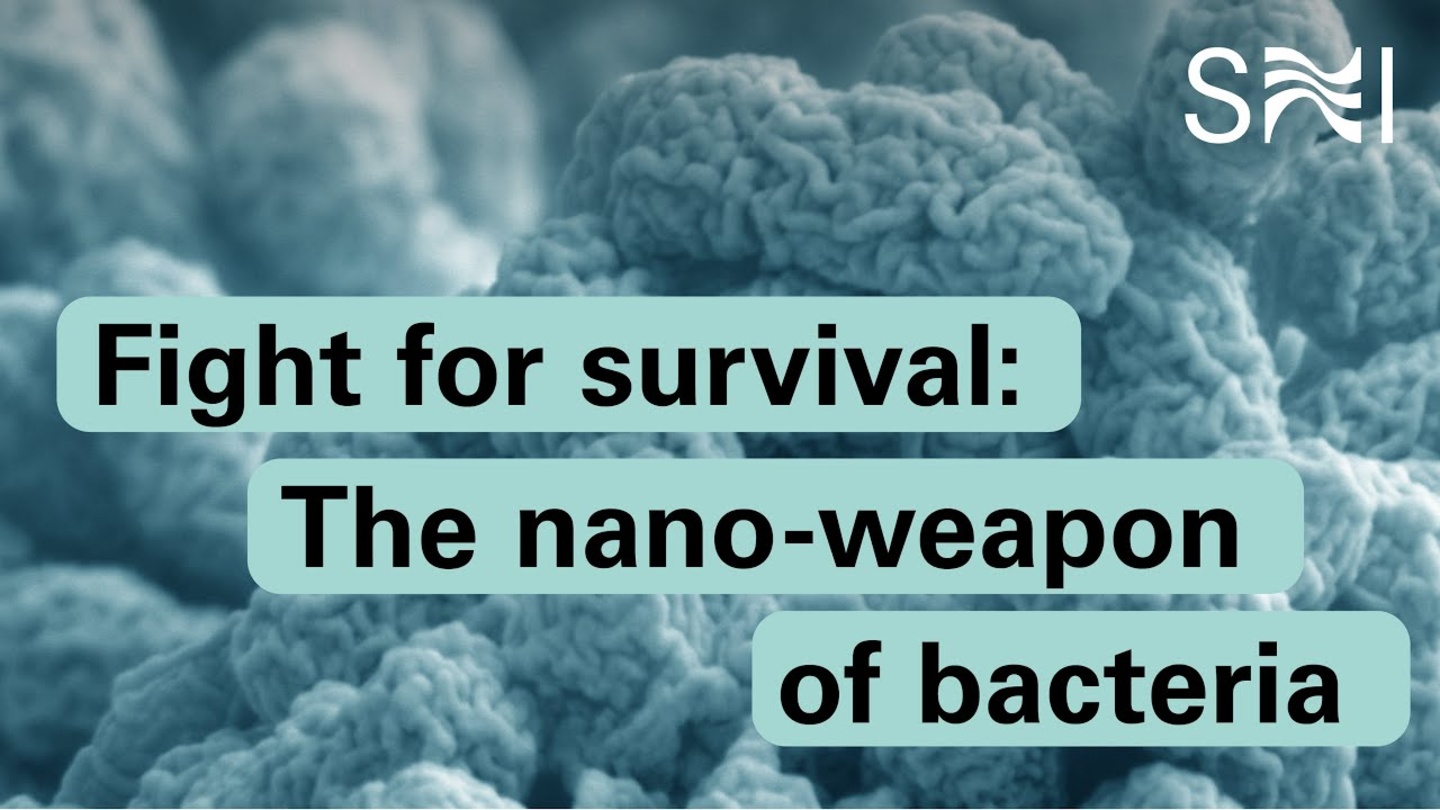
A toxin with a useful twist Researchers from the SNI network have discovered a novel way to fuse lipid vesicles at neutral pH. By harnessing a fragment of the diphtheria toxin, the team achieved vesicle membrane fusion without the need for pre-treatment or harsh conditions. Their work, published in Communications Chemistry, opens the door to new applications in lab-on-a-chip technologies, biosensors and artificial cell prototypes. Media release with video: https://bit.ly/4ahxrHv Original publication: https://www.nature.com/articles/s42004-025-01738-1 In an interview, SNI doctoral student Piotr Ja ś ko explains how he uses part of the diphtheria toxin to fuse vesicles in a controlled and gentle manner. Origami-based artificial heart tissue Researchers from the SNI network have developed a new method for producing artificial heart tissue. In the form of a plaster, the multi-layered tissue could support the healing pro- cess of dead tissue in the event of a heart attack, for example. SNI post: https://bit.ly/4azQBd5 Original publication: https://pubs.acs.org/doi/10.1021/acsbiomateri- als.4c01594 Researchers have grown a multi-layered, functional artificial heart tissue. They have structured a paper scaffold made of cellulose with a micro and macro pattern. The heart muscle cells aligned themselves based on the mi- crostructure (right background). The macrostructure caused the tissue to fold (heart model in the middle). Overall, the researchers were able to signifi- cantly improve the contractility of the tissue. (Image: FHNW and University of Basel, CC BY-NC-ND 4.0) Damaged but not defeated: Bacteria use nano-spearguns to retaliate against attacks Some bacteria deploy tiny spearguns to retaliate against rival attacks. Researchers at the University of Basel mimicked attacks by poking bacteria with an ultra-sharp tip. Using this approach, they have uncovered that bacteria assemble their nanoweapons in response to cell envelope damage and rapidly strike back with high precision. Media release with video: https://bit.ly/4r1qaTt Original publication: https://www.science.org/doi/10.1126/sciadv.adr1713 SNI doctoral student Mitchell Brüderlin used the tip of an atomic force micro- scope to simulate an attack on bacteria and observe the reaction in real time. 25 SNI Annual Report 2025
 Annual Report 2025 - Swiss Nanoscience Institute Page 24 Page 26